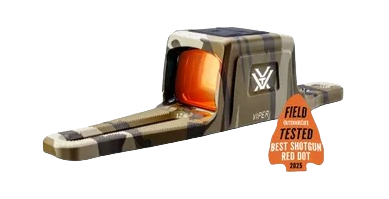
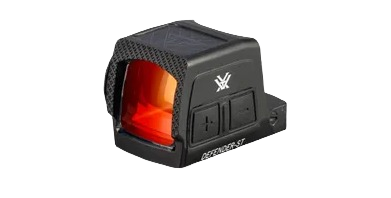
Vortex Duty Red Dots for Law Enforcement Patrol Pistols
How law-enforcement buyers evaluate Vortex pistol-mounted optics for patrol carry, qualification, and day-to-day use.
Read resourceUse this library to compare product families, understand field use cases, and feel more confident about the right Vortex conversation before you ask for pricing or product help.
Duty Red Dots and Professional Use
Straightforward guidance for duty red dots, enclosed optics, agency standardization, testing and evaluation, durability questions, and rollout planning.
How law-enforcement buyers evaluate Vortex pistol-mounted optics for patrol carry, qualification, and day-to-day use.
Read resource
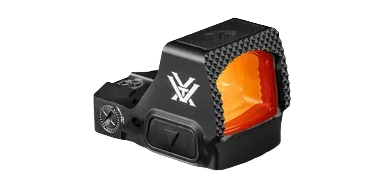
A buyer-focused comparison of Defender ST and Defender CCW priorities for professional use, carry preference, and training implications.
Read resource
Why police and public-safety buyers ask about enclosed optics first when reliability in weather, dust, and daily handling matters.
Read resource
How departments think about dot-size conversations when balancing speed, clarity, training time, and instructor preference.
Read resource
The practical questions public buyers ask before approving a duty-optic purchase for individual officers or agency-wide programs.
Read resource
What to think through when a department wants to move from one-off optics purchases to a standard approach.
Read resource
How school and campus public-safety teams evaluate Vortex red dots for officers who need practical, supportable gear decisions.
Read resource
A practical look at why enclosed optics stay central in conversations about hard use, weather, and constant daily carry.
Read resource
How to think about durability conversations, warranty expectations, and channel support before optics are purchased at scale.
Read resource
Why product guidance, quote support, and a clear support path matter when a department is moving toward wider optics adoption.
Read resource
Why agencies use structured testing and evaluation periods to reduce risk before standardizing duty optics across a wider user base.
Read resource
A buyer-focused look at how enclosed-solar configurations change the conversation for duty buyers comparing Defender-ST options.
Read resource
A plain-language comparison of open-emitter and enclosed red dots for departments weighing reliability, maintenance, and daily-duty exposure.
Read resource
The compatibility questions that usually matter most when public-safety teams are trying to avoid fitment issues and rework during a rollout.
Read resource
How buyers think about sight window size, user confidence, and motion-activation features when they are comparing carry-oriented red dots.
Read resource
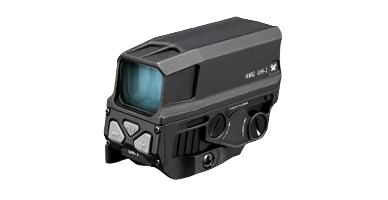
How teams evaluate the AMG UH-1 Gen II when they need a close-quarters optic conversation tied to training, durability, and professional-duty use.
Read resource
A practical guide to the questions military and law-enforcement teams ask when night-vision compatibility becomes part of the optic evaluation.
Read resource
What teams can realistically learn during a structured 60-day testing and evaluation period before they move into a broader optics decision.
Read resource
How instructor programs think about optics that need to support training clarity, qualification consistency, and end-user confidence.
Read resource
A practical guide for teams comparing optics that have to work across issued pistols, approved personally owned pistols, and mixed carry programs.
Read resource
What teams usually discover when they run optic evaluations across newer shooters, experienced officers, instructors, and supervisors at the same time.
Read resource
How teams turn a product preference into a clearer internal business case around training, durability, rollout cost, and lifecycle confidence.
Read resource
A simpler checklist for academy and training teams planning the move from iron-sight instruction to red-dot-supported qualification and skill development.
Read resource
What buyers should account for beyond the optic itself when a red-dot rollout needs spare units, batteries, mounting items, and training support gear.
Read resource
A practical guide to the context teams should provide when they want a demo, trial, or testing-and-evaluation conversation to be productive from the start.
Read resource
How instructor teams think about optic simplicity, consistency, and support when the product has to help qualification days move smoothly instead of creating extra friction.
Read resourceObservation and Field Optics
Resources for binoculars, field observation, rural patrol visibility, emergency response, and the buying questions that come up once teams start comparing real-world use.
How search and rescue teams think about binocular selection for visibility, scanning, and practical field carry.
Read resource
Where Triumph HD binoculars fit when teams want approachable field optics for general use, training, and broad observation needs.
Read resource
How wildlife officers and game wardens think about observation optics for patrol, spotting, and field awareness.
Read resource
A practical guide for buyers who use binoculars for facility checks, event awareness, and broad-campus observation tasks.
Read resource
How emergency-management teams use observation optics during incidents, surveys, and post-event assessment work.
Read resource
How teams evaluate binoculars for tower observation, perimeter awareness, and longer viewing periods in security-driven environments.
Read resource
A buyer-friendly explanation of magnification questions for teams sourcing binoculars for scanning, patrol, and event visibility.
Read resource
What matters when observation gear has to work across wider distances, longer patrols, and changing outdoor conditions.
Read resource
How observation optics support fire watch, line-of-sight inspection, utility checks, and other routine field-visibility tasks.
Read resource
A practical comparison for buyers trying to decide where Diamondback and Triumph fit in training, field observation, and professional use.
Read resource
A straightforward comparison of 8x42 and 10x42 binocular priorities for teams trying to balance steadiness, reach, and all-day usability.
Read resource
Why longer-view observation teams start talking about 15x56 binoculars and tripod support when handheld use stops being enough.
Read resource
How the most common binocular buying factors actually affect real-world usability for patrol, observation, inspection, and event coverage.
Read resource
How event and command-post teams use binoculars to improve line-of-sight awareness, crowd observation, and quicker visual confirmation.
Read resource
Why teams building observation kits for longer viewing sessions should think about tripod support sooner, not later.
Read resource
How buyers build a more complete field kit by combining observation optics, ranging tools, and weather support around the actual task.
Read resource
How teams avoid overbuilding event-security kits by choosing binoculars that are comfortable enough to carry, quick enough to use, and easy enough to standardize.
Read resource
Why lighter binoculars often make more sense than chasing extra magnification for teams that stay mobile and need the optic with them all shift.
Read resource
A buyer-friendly guide to the comfort questions that matter once binoculars will be used for repeated scans, long shifts, and all-day observation tasks.
Read resource
How schools and campuses build a more complete observation kit for SROs, facilities teams, and event support instead of sourcing optics one item at a time.
Read resource
How rural observation teams build a more capable field kit by combining binoculars, tripod support, and distance tools around the actual job.
Read resource
How teams build shared optics kits that stay useful across multiple users and roles without overspending on gear that rarely leaves the shelf.
Read resourcePrecision Support and Range Prep
Weather tools, tripod stability, rangefinders, field kits, and support gear that make observation, range work, and site verification more repeatable.
How range programs and precision-oriented teams think about weather data when they need repeatable, informed shooting support.
Read resource
What training leaders ask when evaluating weather tools for instructor teams, marksman programs, and precision-support roles.
Read resource
A buyer-friendly explainer on why weather data keeps coming up in serious long-range training and field-prep conversations.
Read resource
How buyers think about weather tools as part of a cleaner range workflow instead of a standalone gadget decision.
Read resource
A practical introduction to why tripod selection matters when observation, spotting, and steadier viewing are part of the mission.
Read resource
What matters when a tripod has to support longer glassing sessions, instructor work, or observation from uneven positions.
Read resource
How teams think about support gear, observation tools, and weather awareness when building training-lane kits.
Read resource
How portable kits built around optics, tripod support, and field accessories help public-safety teams prepare for temporary operations.
Read resource
A buyer-oriented checklist for tripod conversations that need to account for transport, stability, and field usability.
Read resource
How to think about binoculars, weather tools, and tripod support as one field-ready package instead of unrelated accessories.
Read resource
A practical look at where rangefinders fit when teams need quick distance verification during surveys, training, and field checks.
Read resource
The common buying questions that come up when teams start comparing laser rangefinders for field verification, training, and planning support.
Read resource
A cleaner explanation of the tripod tradeoffs that matter most when the support gear has to work in the field and not just on a showroom floor.
Read resource
How public-safety teams use rangefinders to verify distances faster during training-lane setup, site walks, and preplanning work.
Read resource
Why teams get more value when distance verification and weather context are planned together instead of treated as separate tool conversations.
Read resource
A practical look at the distance-verification tools that help facilities and planning teams work faster during surveys, walkthroughs, and early-stage site reviews.
Read resourceProcurement, Warranty, and Training
Buyer questions around procurement support, agency quotes, warranty expectations, evaluation processes, internal review, and rollout planning.
A plain-language explanation of why the Vortex VIP Warranty keeps coming up in buyer conversations and what procurement teams should clarify.
Read resource
Why many teams want guidance, not just a checkout cart, when they are sourcing Vortex optics for programs, repeat purchasing, or field use.
Read resource
A consolidated FAQ page built around the questions public-sector and professional buyers ask most often before requesting pricing.
Read resource
How Superior Access Solutions helps bridge product questions, quote requests, and a cleaner buying experience for Vortex optics and accessories.
Read resource
A practical checklist for buyers comparing not just products, but the sales/support channel behind the quote and the support path after it ships.
Read resource
The best questions to answer before asking for a demo, evaluation, or quote so the buying conversation starts with useful context.
Read resource
How academies and instructor teams think about sourcing optics and support gear that can work across recurring classes and evolving programs.
Read resource
How buyers think about selecting multiple Vortex product families when one team spans patrol, observation, training, and field support.
Read resource
Why better product education often leads to smarter optics purchases when the end use carries real operational consequences.
Read resource
How buyers can build a more complete quote by thinking beyond the optic itself and including the right supporting components.
Read resource
Why warranty confidence matters when buyers are thinking about repeat purchasing, long-term support, and budget credibility.
Read resource
What to include in a quote request so instructors, procurement, and leadership all have the context they need to evaluate the ask more quickly.
Read resource
What makes a budgetary quote more useful when procurement teams are still shaping quantities, accessories, and the likely deployment plan.
Read resource
How teams think about refresh timing, repeat purchasing, and lifecycle support once a Vortex program moves beyond the first order.
Read resource
Why agencies often want one responsive point of contact when the purchase involves optics, accessories, support items, and internal questions that need fast answers.
Read resource
A plain-language guide for leaders who need to review optics recommendations without living inside spec sheets, product forums, or training jargon.
Read resourcePublic-Sector and Mission Use Cases
Use-case content focused on police, military, public safety, facilities, corrections, emergency management, inspections, and field operations.
A use-case overview for departments evaluating Vortex optics around patrol, training, and practical day-to-day use.
Read resource
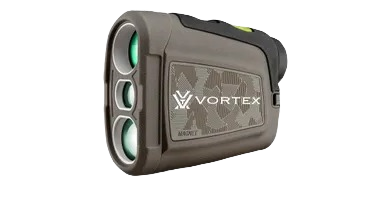
How military buyers and training teams think about observation, duty optics, and range support tools across readiness programs.
Read resource
How secure-facility buyers think about optics for perimeter observation, tower use, training, and controlled professional carry.
Read resource
A practical look at how observation gear and field-support tools fit emergency-planning and field-command needs.
Read resource
How schools and campus public-safety teams think about observation optics for events, facilities, and broader situational awareness.
Read resource
How response teams think about observation optics and support gear for mobile, mutual-aid, and rural operating environments.
Read resource
How commercial and public-sector teams use observation optics for site checks, perimeter awareness, and facility walkthroughs.
Read resource
How range leaders evaluate optics and support gear when they need equipment that works across instruction, observation, and evaluation duties.
Read resource
How field-inspection and public-works teams use observation gear for visual verification and safe stand-off reviews.
Read resource
How buyers who need more than a shopping cart use product education, quote support, and follow-through to make cleaner Vortex requests.
Read resource